
The long game: FutureMeds, African penguins, and thinking in generations

On April 25, the FutureMeds team arrived at Wroclaw Zoo with a dermobus, a stand full of health education materials and activities for children, and a somewhat unusual item on the agenda: the naming ceremony for an African penguin. Her name is Futurka. And she's been a long time coming.

Last Saturday marked the beginning of a partnership between FutureMeds Poland and Wroclaw Zoo, built around the symbolic adoption of African penguins.
African penguins (also known as Cape penguins) are the only penguin species in Africa and are currently critically endangered. Wroclaw Zoo has been actively involved in their conservation for years, both through breeding programs and international protection initiatives carried out in cooperation with organisations dedicated to rescuing seabirds.
And this partnership has been a long time coming.
Over 3 years ago, a penguin plush toy, Futurek, was introduced in Poland, shared with employees’ children and with young patients in partner hospitals during Saint Nicholas Day.
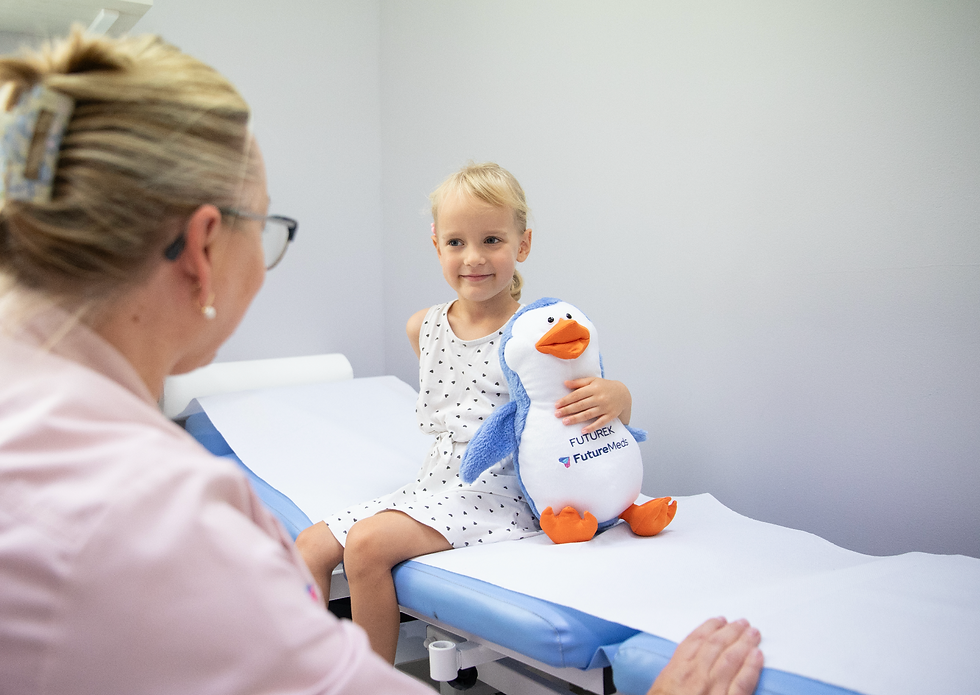
The idea stayed. Over time, the penguin became a familiar part of team culture, appearing in internal initiatives and in 2025, it became the official mascot of the FutureMeds Poland team-building event.
And now with the Wroclaw Zoo partnership, FutureMeds Poland moved beyond symbolism: a real colony of African penguins, a real conservation commitment, and a name that connects both worlds: Futurka.
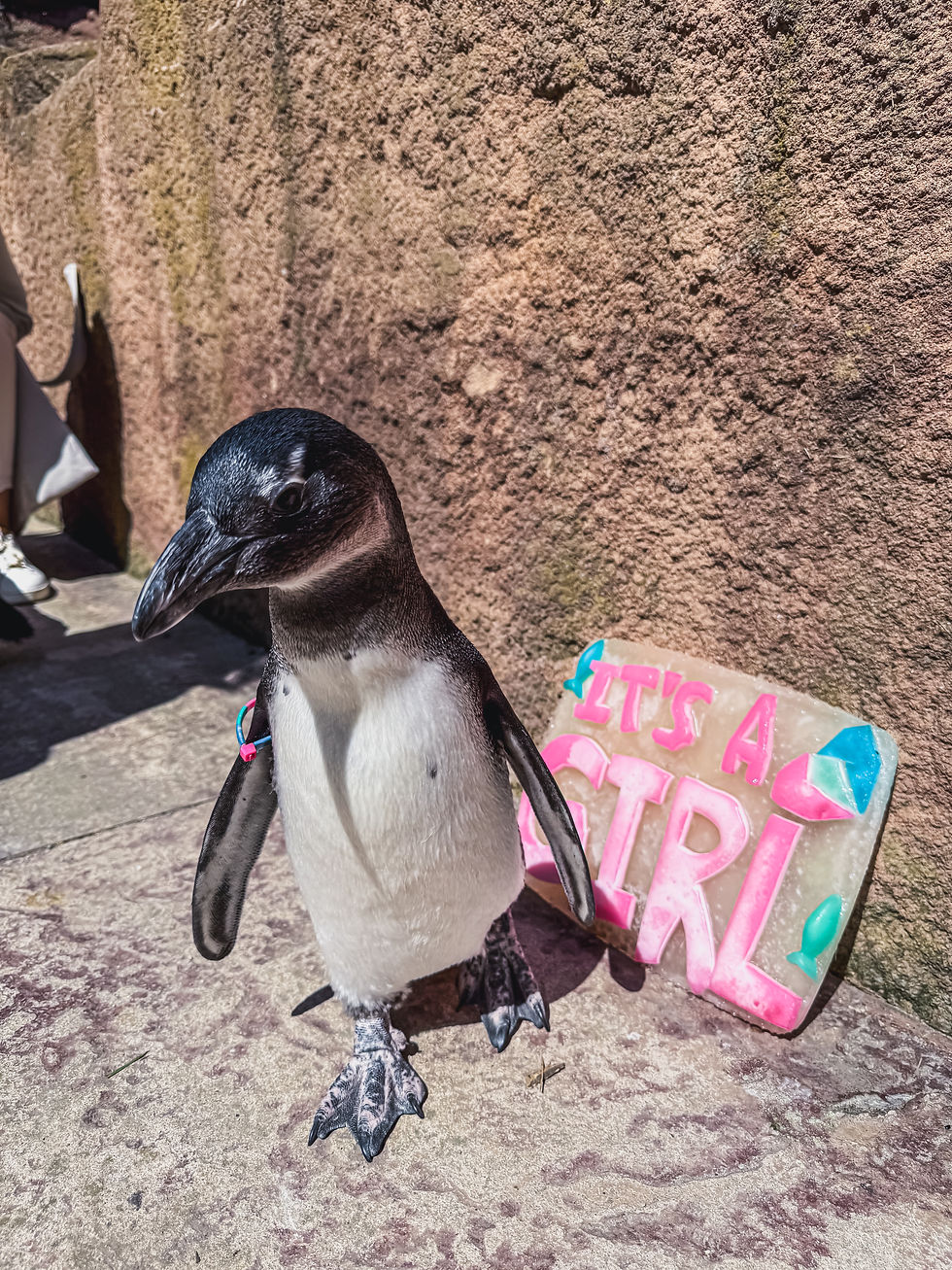
“This partnership and the adoption of a penguin colony reflect a broader way of thinking about responsibility. Clinical research is, by nature, long-term work. It focuses on outcomes that may take years or decades to fully materialise. New treatments, better standards of care, improved patient outcomes for future generations. That same perspective underpins this partnership.”
- Dr Piotr Rozpondek, Managing Director at FutureMeds Poland
What happened on the day
Supporting conservation efforts mirrors FutureMeds' purpose in research. Both are investments in a future that extends beyond immediate results.
"At FutureMeds, we are conducting research today on medicines that will save the health of our children and grandchildren tomorrow. The symbolic adoption of penguins represents the very same idea for us, thinking long‑term and taking responsibility for future generations."
- Arkadiusz Kasperski, Patient Engagement Director
The connection between research and conversation was brought into a public setting, the community event focused on prevention and health awareness, co-hosted by FutureMeds and Wroclaw Zoo.
The day combined health education, prevention-focused activity and community outreach, offering free dermatoscopic examinations, educational materials and interactive experiences for visitors.
More than 500 people engaged directly at the FutureMeds stand, with dozens of preventive dermatoscopic screenings carried out. Beyond the physical event, the initiative reached tens of thousands more through digital channels, extending its impact beyond the zoo itself.
Skin cancer screening at a zoo isn't an obvious combination. That's partly the point. People who wouldn't walk into a clinic will stop at a stand next to a penguin enclosure. Parents distracted by children will still pick up a leaflet. Visitors who've never heard of clinical research will ask a question because the setting feels approachable rather than medical.
“At FutureMeds, we frequently run health education activities in community settings. The Wroclaw Zoo partnership extends that, combining conservation, prevention and public engagement in a format that's repeatable, visible and genuinely useful,” added Arkadiusz Kasperski


Comments